Remove this Banner Ad

Unsolved Taman Shud Case - The Somerton Man

🥰 Love BigFooty? Join now for free.

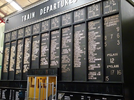
Standing Infront of the old Adelaide railway station board, he might have jotted the stations down.
G could be Goodwood. They are definitely out of order
(Im not from Adelaide) How are they out of order? If they are out of order then this explanation falls down.
 
(Im not from Adelaide) How are they out of order? If they are out of order then this explanation falls down.
Glenelg is a tram stop and shouldnt be on a rail code

Goodwood fits much better

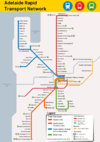
This seems to be current

1765600830338.png

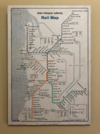
1985 Map
1765601477073.png
 
Last edited:
You can add Thebarton, there was no railway station there in 1948, I think it had a tramways service that went from the city to Port Adelaide in that era. When you examine the first line, MRGOABABD, the letters can stand for numerous other stations. I can post them if you like.
 

Log in to remove this Banner Ad

Here’s the alphabetical list of staions in 1948
;

1. Alphabetical Sequence

Actil, Adelaide, Albert Park, Alberton, Aldgate, Ascot Park, Belair, Blackwood, Bowden, Bridgewater, Brighton, Cavan, Cheltenham, Clapham, Clarence Park, Commercial Road (Port Adelaide), Coorara, Coromandel, Croydon, Draper, Dry Creek, Dudley Park, Eden Hills, Edwardstown, Emerson, Ethelton, Exeter, Finsbury, Gawler, Gawler Central, Glanville, Goodwood, Grange, Hackham, Hallett Cove, Henley Beach, Islington, Kilburn, Kilkenny, Kirkcaldy, Korro, Largs, Largs North, Long Gully, Marino, Marino Rocks, Marlborough Street, McLaren Vale, Midlunga, Mile End, Millswood, Mitcham, Moana, Morphett Vale, Mount Lofty, Noarlunga, North Adelaide, Northfield, Oaklands, Osborne, Outer Harbor, Ovingham, Parafield, Peterhead, Pikkara, Pimpala, Pinera, Pooraka, Port Adelaide (Port Dock), Reynella, Salisbury, Seacliff, Seaton Park, Semaphore, Smithfield, Taperoo, Torrens Park, Tuni, Unley Park, Upper Sturt, West Croydon, Willunga, Woodlands Park, Woodville.

And here’s the line sequence:

2. Line Sequence

North Line (Gawler & Northfield) Adelaide, North Adelaide, Ovingham, Dudley Park, Islington, Kilburn, Dry Creek, Cavan, Pooraka, Northfield, Parafield, Salisbury, Smithfield, Gawler, Gawler Central.
Port & Outer Harbor Line (including Semaphore) Adelaide, Bowden, Croydon, West Croydon, Kilkenny, Woodville, Alberton, Port Adelaide (Commercial Road), Port Dock, Glanville, Exeter, Semaphore, Ethelton, Peterhead, Largs, Largs North, Draper, Taperoo, Midlunga, Osborne, Outer Harbor.
Henley Beach Line Woodville, Albert Park, Seaton Park, Grange, Kirkcaldy, Marlborough Street, Henley Beach.
Finsbury Line Woodville, Actil, Finsbury.
South Line (Belair/Bridgewater) Adelaide, Mile End, Goodwood, Millswood, Unley Park, Mitcham, Torrens Park, Clapham, Eden Hills, Belair, Pinera, Blackwood, Coromandel, Upper Sturt, Mount Lofty, Aldgate, Bridgewater.
Willunga Line Goodwood, Clarence Park, Emerson, Edwardstown, Woodlands Park, Ascot Park, Oaklands, Brighton, Seacliff, Marino, Marino Rocks, Hallett Cove, Reynella, Pimpala, Coorara, Morphett Vale, Hackham, Korro, Noarlunga, Moana, Tuni, McLaren Vale, Pikkara, Willunga.
Would you like me to identify which of these stations were closest to specific landmarks, such as the Somerton Beach area?
 
Here’s the proximity list.
In 1948, the closest stations to Somerton Beach were on the Willunga Line (which branched south from Goodwood).
It is important to note that the railway line runs inland (east) of the beach, so none of the heavy rail stations were directly on the coast at Somerton.

Closest Railway Stations (1948)

  1. Brighton
    • Location: South of Somerton Beach.
    • Distance: Approximately 2.0 km from the southern end of Somerton Beach (near the Surf Life Saving Club).
    • Context: In 1948, this was the primary station serving the coastal strip south of Somerton.
  2. Oaklands
    • Location: Inland (East) of Somerton Beach.
    • Distance: Approximately 3.0 km from the center of Somerton Beach.
    • Context: Located on the Willunga line, this station served the area near the Sturt River (now the Marion/Warradale area).

Historical Note on "Hove" Station

While not included in the main lists above, a smaller stop called Hove (located between Oaklands and Brighton) did exist in 1948 (opened in 1914).
  • Hove would have been the physically closest heavy rail station to the center of Somerton Beach (approx. 1.5 km walk down Brighton Road/Whyte Street).

A Note on the Glenelg Tram

  • Glenelg (Tram Terminus at Mosley Square): Located roughly 1.5 km north of the Somerton Man body site.
  • Most travelers to Somerton in 1948 would have taken the Glenelg Tram from the city and then transferred to a bus (which ran along the coast) or walked south along the Esplanade.
 
Here’s the proximity list.
In 1948, the closest stations to Somerton Beach were on the Willunga Line (which branched south from Goodwood).
It is important to note that the railway line runs inland (east) of the beach, so none of the heavy rail stations were directly on the coast at Somerton.

Closest Railway Stations (1948)

  1. Brighton
    • Location: South of Somerton Beach.
    • Distance: Approximately 2.0 km from the southern end of Somerton Beach (near the Surf Life Saving Club).
    • Context: In 1948, this was the primary station serving the coastal strip south of Somerton.
  2. Oaklands
    • Location: Inland (East) of Somerton Beach.
    • Distance: Approximately 3.0 km from the center of Somerton Beach.
    • Context: Located on the Willunga line, this station served the area near the Sturt River (now the Marion/Warradale area).

Historical Note on "Hove" Station

While not included in the main lists above, a smaller stop called Hove (located between Oaklands and Brighton) did exist in 1948 (opened in 1914).
  • Hove would have been the physically closest heavy rail station to the center of Somerton Beach (approx. 1.5 km walk down Brighton Road/Whyte Street).

A Note on the Glenelg Tram

  • Glenelg (Tram Terminus at Mosley Square): Located roughly 1.5 km north of the Somerton Man body site.
  • Most travelers to Somerton in 1948 would have taken the Glenelg Tram from the city and then transferred to a bus (which ran along the coast) or walked south along the Esplanade.
In all fairness, the gentleman that published his theory on the train station initials, put in lot of effort in bringing it together. Tha in itself is to be applauded. He would be a good asset to have around.
 
In all fairness, the gentleman that published his theory on the train station initials, put in lot of effort in bringing it together. Tha in itself is to be applauded. He would be a good asset to have around.
It'd probably fit with taking notes of a route over the telephone from someone who's description of the route is taken off the top of their head. They might get one or two arse about?
After all the phone number is in the book.

However the person seen knocking on doors doesn't seem to be like someone who was given a precise street address 🤔 unless they forgot to write that bit down. It's passable as an answer, but doesn't help to explain the event of his death, nor the direct relationship to Jessica's involvement.

(Assuming that the book belonged to SM and wasn't something that he picked up from whom he went to interview in a deliberate act to link whatever was about to befell him back to the book's owner?)

Too bad that the book can't be fingerprinted or DNAed
 
In all fairness, the gentleman that published his theory on the train station initials, put in lot of effort in bringing it together. Tha in itself is to be applauded. He would be a good asset to have around.
I am not trying to discredit his work nor what he brought up . Its as close as anyone has got to the meaning so its advanced the thinking required

As with any theory it needs to hold up to scrutiny so look forward to more analysis
 

Remove this Banner Ad

Remove this Banner Ad

🥰 Love BigFooty? Join now for free.

Back
Top Bottom